
Monday to Saturday - 8:00 -17:30

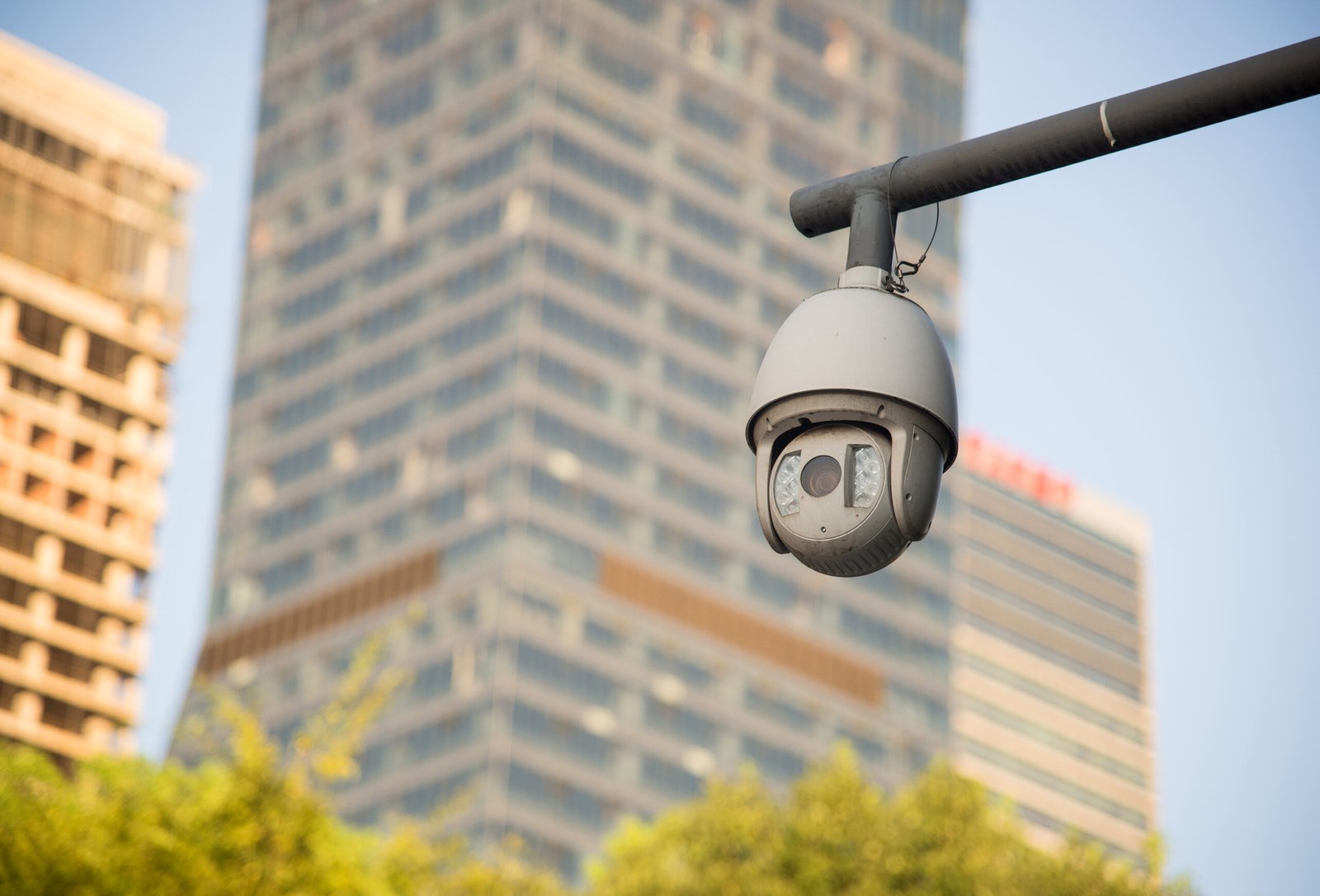
Balancing Security Privacy — In recent years, governments worldwide have struggled to balance public safety with individual privacy rights amidst rising concerns over surveillance. Hong Kong, a bustling metropolis known for its vibrant culture and bustling streets, is no exception to this dilemma. In response to safety concerns, Hong Kong plans to expand its surveillance camera network citywide. However, this move has sparked a debate over the potential erosion of privacy rights and civil liberties.
The expansion of surveillance cameras in Hong Kong comes at a time of heightened security concerns, particularly in the wake of social unrest and protests in recent years. The government believes more cameras will deter crime, boost safety, and aid law enforcement. Authorities aim to improve safety by placing cameras in busy streets, transit hubs, and tourist spots.
Understanding Balancing Security Privacy
Critics raise concerns about privacy erosion and government surveillance abuse amidst the camera expansion. Many fear that Hong Kong’s surveillance camera proliferation could increase government intrusion into individual lives, threatening cherished freedoms and privacy. There are also concerns about the lack of transparency and oversight surrounding the use of surveillance technology, raising questions about who has access to the data collected and how it is being used.
One of the key issues at stake is the need to strike a balance between security and privacy. While public safety is crucial, safeguarding individual rights and freedoms is equally important. As technology evolves, governments must set clear rules to protect privacy and prevent abuse of power.
Key Facts and Analysis

To address privacy concerns, Hong Kong will ensure transparency and accountability in camera use. This involves auditing camera setups, restricting data access, and allowing public input and oversight. However, many remain skeptical about the effectiveness of these measures in addressing the underlying privacy concerns.
Ultimately, the debate over the expansion of Hong Kong’s surveillance camera network reflects broader tensions between security and privacy in the digital age. As governments embrace tech for safety, protecting fundamental rights is vital. Finding the right balance between security and privacy is a complex and ongoing challenge, but it is one that must be addressed with careful consideration and respect for democratic values.
Related Articles
- What Is BoostenX? The AI Platform Crypto and Fintech Companies Are Using to Automate Growth in 2026
- How AI Is Transforming Crypto Marketing and Trading Operations in 2026
- Stablecoin Market Cap in 2026: USDT, USDC and the Rise of Regulated Digital Dollars
- Crypto Market Cap Recovery 2026: Key Indicators Signalling the Next Bull Run
For more information, visit Wikipedia: Finance.
Frequently Asked Questions
What is Balancing Security Privacy?
Balancing Security Privacy is an important topic for investors and professionals. Understanding it fully requires careful research and analysis of current market conditions.
Why does Balancing Security Privacy matter in 2026?
In 2026, balancing security privacy remains highly relevant due to evolving market dynamics, regulatory changes, and growing investor interest in this area.
Where can I learn more about Balancing Security Privacy?
We recommend consulting reputable financial sources and conducting thorough due diligence before making any investment decisions.
 Bitcoin
  Tether
  USDC
USDC  Solana